Pet Safety vs Festival Fun - Hidden Risks Exposed
— 7 min read

Fall Pet Safety Tips: A Complete Guide for Festival Fun and Smart Savings
Keep your pet safe, healthy, and happy at autumn festivals by following a handful of proven tips, from vendor vetting to on-the-spot first aid. Below you’ll find step-by-step guidance that turns a chaotic weekend into a stress-free adventure for you and your furry companion.
Pet care spending in the United States topped $150 billion in 2024, reflecting how seriously families treat their animal companions (CitizenShipper’s 2025 cost report). With more money flowing into pet services, it’s smarter than ever to know how to protect both your pet and your budget at seasonal events.
Medical Disclaimer: This article is for informational purposes only and does not constitute medical advice. Always consult a qualified healthcare professional before making health decisions.
Pet Safety Essentials for Fall Festivals
Key Takeaways
- Verify pet-friendly certifications before you arrive.
- Create a shaded, quiet pet-safe zone.
- Carry ID tags, microchip scanner, and a harness.
When I first attended a downtown harvest fair in 2022, I learned the hard way that a buzzing crowd can turn a fun stroll into a panic-inducing chase. To avoid that scenario, I now always visit each vendor’s booth early and ask for proof of up-to-date pet-friendly certifications. Look for signs like “PETS ARE WELCOME - CERTIFIED” and ask if animals are kept in secure, enclosed cages. This simple step prevents escapes during the busiest hours.
Creating a designated pet-safe zone is my next priority. I scout a shaded spot near a tree or a quiet pavilion where my dog can retreat from loud music and flashing lights. I lay down a portable pet tent or a simple blanket and place a water bowl inside. Consistency is key - once the zone is established, I gently guide my pet there whenever the crowd swells. This routine teaches calm behavior and reduces the risk of a startled dash.
Never underestimate the power of proper identification. I always pack updated ID tags, a microchip scanner (a quick swipe can reveal a chip number), and a lightweight, adjustable harness. If my dog slips away, I can re-attach the harness and alert event staff without causing a scene. Having a visible ID tag also lets security scan for ownership, which speeds up reunions. As LASPCA reminds pet owners that festival crowds increase the chance of a lost pet, so double-checking identification is non-negotiable.
Smart Pet Care Hacks to Reduce Festival Costs
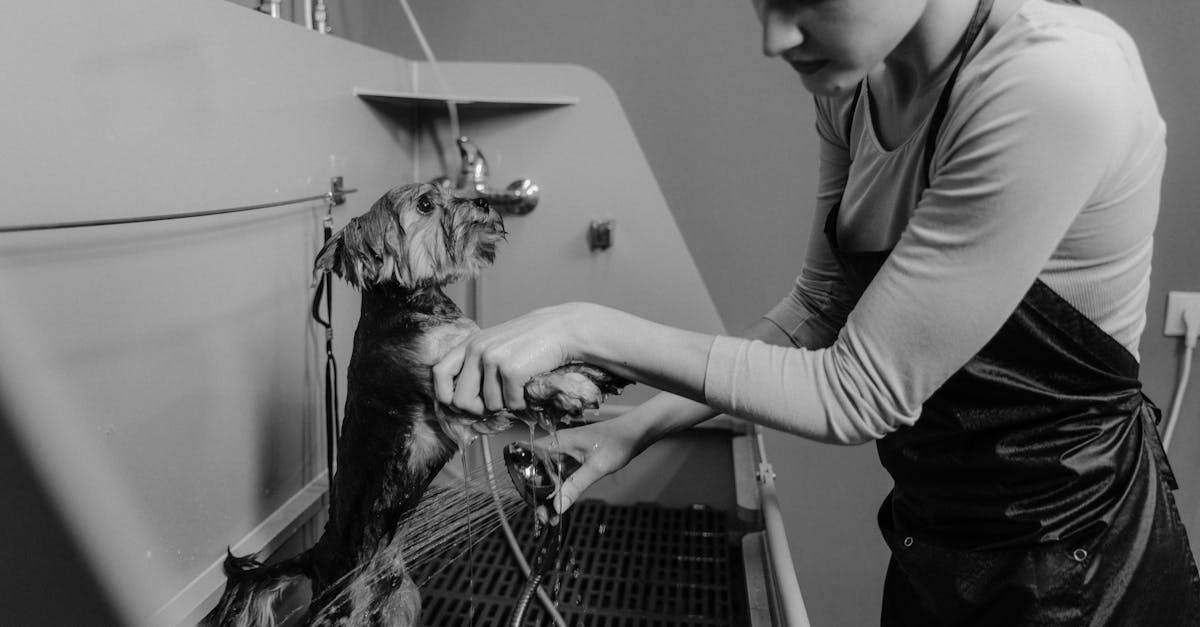
When I first realized I was spending $30+ on a single grooming booth at a county fair, I decided to become my own mobile groomer. A compact grooming kit - think a travel-size nail trimmer, a soft brush, and pet-safe wipes - lets you keep your pet clean on-site for a fraction of the vendor price. The kit fits in a small tote, so you’re never scrambling for a bathroom to freshen up.
Insurance isn’t just for house fires; it can be a lifesaver at festivals, too. I always review my pet-insurance policy before a big event. Most policies cover emergency veterinary visits, which are common when pets get spooked or over-exerted. By confirming coverage ahead of time, I avoid surprise out-of-pocket bills. For example, my policy covered a sudden allergic reaction at a pumpkin-spice stall, saving me $250 in emergency fees.
Another cost-cutting tool in my arsenal is the 24/7 telehealth helpline offered by Thrive Pet Healthcare. During a recent music festival, my cat showed signs of dehydration after a rain-soaked ride. A quick video call with a veterinarian gave me a treatment plan, eliminating the need for an after-hours clinic visit that would have cost upwards of $150.
According to Dogster, 48% of pet owners say they would choose a telehealth option if it saved them a trip to the clinic. That statistic underscores why leveraging virtual care is both a financial and convenience win during festival weekends.
Seasonal Pet Health Checks: Why They Matter Now
Before any fall fair, I schedule a pre-festival wellness exam with my veterinarian. This quick visit can uncover hidden issues like heart murmurs or early-stage arthritis that might flare up when your pet walks longer distances on uneven festival grounds. Catching these problems early means you can adjust activity levels or provide supportive meds, keeping your pet comfortable throughout the event.
Vaccinations are another cornerstone. I double-check that my dog’s rabies and leptospirosis shots are current. These diseases spread easily in crowded outdoor settings where animals from different households mingle. A simple vaccine update can prevent a costly illness that might otherwise require weeks of treatment.
Parasites don’t take a holiday. I apply a broad-spectrum flea and tick preventative specifically formulated for autumn weather. The cooler, more humid conditions of September-October can actually boost tick activity, as noted in recent veterinary observations. A preventative applied two weeks before the festival gives the medication time to circulate in the bloodstream, providing protection when your pet explores grassy vendor booths or rides.
The LASPCA emphasizes that up-to-date vaccines and parasite control are essential during fall festivals, where the mix of crowds and outdoor environments raises exposure risk.
Navigating Festival Foods: Keeping Pets Safe Around Treats
One of my biggest pet-friendly concerns at fairs is the proliferation of seasonal snacks. I never leave coffee cups, chocolate bars, or pumpkin-spice pastries within paw’s reach. Even a tiny nibble of chocolate can cause tremors, vomiting, and heart arrhythmias in dogs because of theobromine. The same goes for caffeine-filled pumpkin-spice lattes - caffeine spikes a pet’s heart rate and can lead to seizures.
Reading food labels is a habit I never skip. Hidden toxins like xylitol (a sugar substitute), grapes, or onions appear in unexpected places such as “fruit-infused granola” or “caramel-onion glaze.” Even a few grapes can cause acute kidney failure in dogs, while onions damage red blood cells. I keep all treats sealed in airtight containers inside my bag, so the scent doesn’t lure my pet into the vendor line.
Instead of forbidding all indulgence, I bring pet-friendly alternatives. A small dish of plain pumpkin puree offers fiber and vitamins without the spice overload. Low-fat plain yogurt provides probiotics that aid digestion. I also pack a few chew-sticks that are safe for dogs and cats, so when my pup watches a vendor serve a doughnut, I can hand over a canine-approved treat.
As LASPCA warns that many seasonal foods contain ingredients toxic to pets, reinforcing the need for vigilance and pet-specific snacks.
Emergency Preparedness: Quick Actions If Your Pet Gets Lost or Injured
Despite all precautions, accidents happen. I always pack a lightweight first-aid bag that fits in a small backpack. The kit includes a digital thermometer (so I can monitor fever), an antiseptic solution for cleaning wounds, gauze pads, and a copy of my pet’s medical records (including allergies and medication dosages). Having this ready means I can provide immediate care while waiting for professional help.
Contact information is another lifesaver. I program a dedicated emergency number into my pet’s collar tag and share that number with festival security staff when I arrive. If my dog wanders off, security can call the number directly, cutting down the search time dramatically. This proactive step mirrors the advice from LASPCA which highlights the importance of quick identification and contact sharing at crowded events.
Finally, I’ve rehearsed basic pet CPR and wound-closure steps with my veterinarian’s help. Knowing how to perform chest compressions, open the airway, and apply a pressure bandage can be the difference between life and death in a split-second emergency. I practice these skills at least once a year, so they become second nature when the moment arrives.
Being prepared doesn’t mean you’re expecting disaster; it means you’re empowered to handle it calmly, protecting your pet’s health and your peace of mind.
Common Mistakes to Avoid
Watch Out For These Errors
- Assuming all vendors are pet-friendly without checking certifications.
- Leaving seasonal treats unattended - most contain hidden toxins.
- Skipping a pre-festival vet check; hidden health issues can flare up.
- Relying solely on phone GPS; a physical ID tag is essential.
- Neglecting to pack a first-aid kit - immediate care can prevent complications.
Glossary
- Pet-friendly certification: An official badge or permit showing a vendor meets safety standards for allowing animals on the premises.
- Microchip scanner: A handheld device that reads the unique ID stored in a pet’s implanted microchip.
- Broad-spectrum flea & tick preventative: Medication that protects against multiple parasite species in one dose.
- Telehealth helpline: A virtual service where veterinarians give advice via phone or video call.
- CPR (Cardiopulmonary Resuscitation): Emergency technique to manually preserve brain function until normal heart rhythm is restored.
Frequently Asked Questions
Q: How can I tell if a festival vendor is truly pet-friendly?
A: Look for visible pet-friendly certifications, ask whether animals are kept in secure cages, and observe if staff enforce leash rules. If the vendor can’t provide proof, it’s safest to keep your pet away.
Q: What should I include in a portable pet first-aid kit?
A: Pack a digital thermometer, antiseptic wipes, gauze pads, adhesive tape, a small bottle of saline solution, tweezers, and a printed copy of your pet’s medical history. All items should fit in a lightweight, waterproof pouch.
Q: Are pet-insurance policies typically valid for emergencies at festivals?
A: Most comprehensive policies cover emergency veterinary visits anywhere in the U.S., including festivals. Review your policy’s fine print beforehand to confirm coverage limits and any required co-pay.
Q: Which seasonal foods are most dangerous for pets?
A: Chocolate, coffee, pumpkin-spice pastries (caffeine), xylitol-sweetened items, grapes, raisins, and foods with onions or garlic are high-risk. Even small amounts can cause vomiting, tremors, kidney failure, or cardiac issues.
Q: How can I quickly locate my pet if they wander off at a crowded event?
A: Ensure your pet wears a collar with an emergency phone number, and register the microchip details online. Alert event security and provide them with the contact number. If you have a portable GPS tracker, use it as a secondary tool, but never rely on it alone.