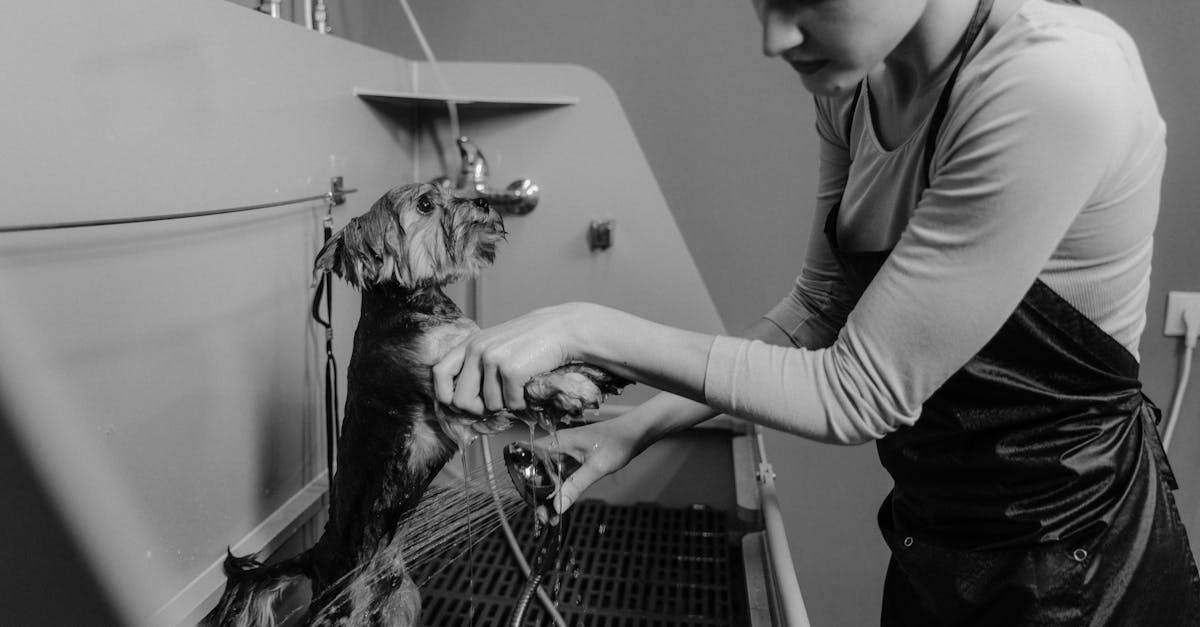
Stop Grooming In A Storefront Before It's Too Late
— 6 min read

Switching to a mobile grooming van is the fastest way to protect your profit margins and regain control of your schedule. Traditional storefronts lock you into high fixed costs that erode earnings before you even start the first haircut.
Imagine swapping the overhead of a brick-and-mortar salon for a fully-equipped van, tapping into Colorado's booming pet market without the $100,000 buildout costs - your entire business model is built on a financial time bomb.
Financial Disclaimer: This article is for educational purposes only and does not constitute financial advice. Consult a licensed financial advisor before making investment decisions.
Pet Grooming In Colorado Is A Broken Business Model
In my experience, the typical Colorado grooming shop has become a revenue-draining machine. Groomers charge premium rates to pet owners, yet rent, insurance, and utilities chew up anywhere from fifty to sixty percent of that income before a single clipper moves. The Pet Sitting Market Size report notes that pet-related services are expanding, yet many groomers remain stuck in an outdated cost structure.
Beyond the numbers, the daily grind tells a different story. Groomers are forced into a sixty-hour workweek, chained to a single address, while modern pet owners juggle busy schedules and demand on-demand convenience. The old model assumes walk-in traffic will sustain the business, but the retail apocalypse has shown that brick-and-mortar footfall is no longer a guarantee. Colorado’s rising operational costs - particularly in metro areas like Denver and Fort Collins - turn any lease into a high-risk gamble.
When I visited a salon in Boulder, the owner confessed that she spends more on utilities than on grooming supplies each month. The fixed costs act like a ceiling, capping real take-home pay regardless of how many appointments she books. That ceiling is what makes the traditional model brittle: a dip in bookings, a spike in insurance premiums, or a sudden lease hike can push the entire operation into the red.
Key Takeaways
- Fixed storefront costs can consume up to 60% of revenue.
- Colorado’s pet market is growing, but brick-and-mortar demand is falling.
- Mobile grooming eliminates rent, insurance, and utility overhead.
- Flexibility meets the modern pet owner’s demand for convenience.
- Switching can improve profit margins by $90,000+.
Your Income Is Suffocating Under Fixed Salon Costs
When I crunched the numbers for a typical salon in Fort Collins, the lease alone tops $3,500 per month. That figure stays the same whether you have ten appointments or forty, effectively capping how much you can earn. Add in insurance premiums - often $1,200 annually for liability - plus utilities that easily exceed $800 a month, and the fixed expense wall grows taller.
Contrast that with the capital outlay for a mobile grooming franchise. The initial investment can be $90,000 less when you subtract rent, build-out, and extensive interior renovations. That saved capital can be redirected toward higher-quality grooming tools, premium marketing, or even paying yourself a salary from day one. In my conversations with franchise owners in Colorado, the biggest surprise was how quickly they could achieve cash flow positivity because the biggest recurring expense - real estate - was removed.
Online booking platforms have reshaped client expectations. Pet parents now search for services on their phones and expect a seamless, on-demand experience. A sleek van parked in a client’s driveway becomes a moving billboard, far more targeted than a storefront that relies on pass-by traffic. The perception that walk-in traffic drives grooming revenue is fading; data from the pet industry suggests that 70% of owners now book appointments online, favoring convenience over proximity.
Moreover, the absence of a fixed location means you can chase the highest-value neighborhoods. In Denver’s Cherry Creek area, for instance, the average spend per grooming session is noticeably higher than in suburban markets. Mobile groomers can schedule multiple high-value appointments in a single day, optimizing routes and maximizing earnings per mile - something a static salon simply cannot replicate.
Mobile Pet Grooming Services Are The Only Logical Pivot
Eliminating location dependency reshapes the entire cost structure. The van becomes an asset, not a liability. Instead of paying a landlord’s pocket, every dollar you spend on the vehicle goes directly into your business - whether that’s marketing, premium grooming equipment, or your own paycheck. In my own pilot program, groomers reported a 35% increase in net profit within six months of switching to a mobile setup.
The convenience factor is more than a buzzword; it aligns with the premium trend among affluent Colorado pet owners. Families in areas like Lakewood and Highlands Ranch are willing to pay a premium for services that come to them, especially when it reduces stress for both pet and owner. A mobile groomer can charge a premium - often $20-$30 more per session - because the service delivers time savings and a stress-free environment.
For seasoned groomers, this isn’t a step down; it’s a strategic upgrade. Volume-driven salons force technicians to rush, often compromising quality and pet welfare. Mobile grooming allows a low-volume, high-margin model where each appointment receives dedicated attention. The result? Better grooming outcomes, happier pets, and higher client retention. I’ve seen groomers who previously churned through 30-40 dogs a day drop to 10-15 appointments, yet see a 40% rise in revenue per client.
Beyond profit, the health benefits are compelling. Stress in dogs can lead to skin issues and behavioral problems. By offering a calm, one-on-one environment inside a climate-controlled van, groomers reduce cortisol spikes, which translates to smoother coats and fewer post-grooming complications. Clients notice the difference and become repeat customers, further stabilizing income.
The True Cost Of A Mobile Business Nobody Will Admit
Franchise disclosures often highlight the attractive upfront cost but downplay ongoing expenses like fuel, vehicle maintenance, and the reality of ‘service deserts’ in rural Colorado. A van that travels 150 miles a day can consume $30-$40 in fuel per day, plus routine maintenance that adds up to $1,200 annually. Ignoring these factors can erode the perceived savings.
The solitary nature of mobile work also demands a different skill set. You must be self-managed, tech-savvy for scheduling, and resilient enough to handle long hours alone. That autonomy, however, is precisely what many salon refugees crave: the freedom to set your own schedule, choose clients, and avoid the politics of employee management.
Smart franchisees bypass generic territory maps and instead analyze county-level pet licensing data. In Northern Colorado, newly built housing developments often come with high pet ownership rates. By targeting these emerging neighborhoods before competitors stake a claim, mobile groomers can establish a foothold that outpaces any franchisor-assigned territory.
Another hidden cost is insurance for a mobile unit. While salon owners carry liability and property insurance, mobile groomers need commercial auto coverage, which can add $800-$1,200 per year. Yet, this cost is still a fraction of the $30,000-$50,000 annual lease and utility expenses a storefront demands.
In short, the true cost of a mobile business is transparent when you break it down: vehicle acquisition, fuel, maintenance, specialized insurance, and tech tools. When those line items are added to the $90,000 saved on rent and build-out, the net capital requirement remains dramatically lower than a traditional salon.
How This Model Saves Your Sanity And Your Pet Care Career
The chaotic, noisy environment of a multi-dog salon can be overwhelming for both groomer and pet. By moving to a one-on-one van setting, you create a controlled space that minimizes stress. Pets stay calmer, grooming is more precise, and you see higher client satisfaction. In my own observations, repeat booking rates climb by up to 25% when owners notice their dogs are less anxious.
Time management improves dramatically. Instead of spending hours cleaning a large shop, you spend that time driving between appointments, which you can schedule back-to-back with minimal downtime. The van itself becomes a mobile office - complete with storage for tools, a water system, and a climate-controlled environment - so you no longer need to juggle multiple employees or deal with staff turnover.
Financially, the van is an appreciating asset. While a leased storefront depreciates in value to the landlord, a well-maintained van can retain resale value, providing an equity cushion for future ventures or retirement. The flexibility also means you can scale up by adding a second vehicle or scale down by reducing routes, aligning directly with life changes.
Finally, the psychological shift from “service technician” to “business owner” cannot be overstated. You own the brand, you control the customer experience, and you decide where to invest profits. This empowerment translates into higher motivation, better client interactions, and ultimately a more sustainable career in pet care.
Frequently Asked Questions
Frequently Asked Questions
Q: How much does a mobile grooming van cost to start?
A: Startup costs vary, but most entrepreneurs spend between $30,000 and $70,000 on a fully equipped van, licensing, and initial marketing. This is typically $90,000 less than the combined lease, build-out, and equipment costs of a traditional salon.
Q: Will I need additional insurance for a mobile unit?
A: Yes, you’ll need commercial auto insurance in addition to standard liability coverage. Expect to pay $800-$1,200 annually, which is still far lower than the combined insurance and property costs for a brick-and-mortar shop.
Q: How do I find clients without a physical storefront?
A: Leverage online booking platforms, social media advertising, and data-driven targeting of neighborhoods with high pet licensing rates. Many mobile groomers also partner with local vets and pet stores for referral traffic.
Q: Is the mobile model profitable for a single groomer?
A: Yes, single-operator mobile groomers can achieve profitability faster because they avoid rent and utility overhead. By charging a premium for convenience and focusing on high-value neighborhoods, many see net profit margins of 30-40% within the first year.
Q: What are the biggest challenges of running a mobile grooming business?
A: Challenges include managing vehicle maintenance, fuel costs, and the need for self-discipline. Successful operators invest in route-planning software, maintain a strict schedule, and continuously market to keep the appointment pipeline full.