
10 Smart Ways to Support Your Local Vet and Save Money in 2024
— 8 min read
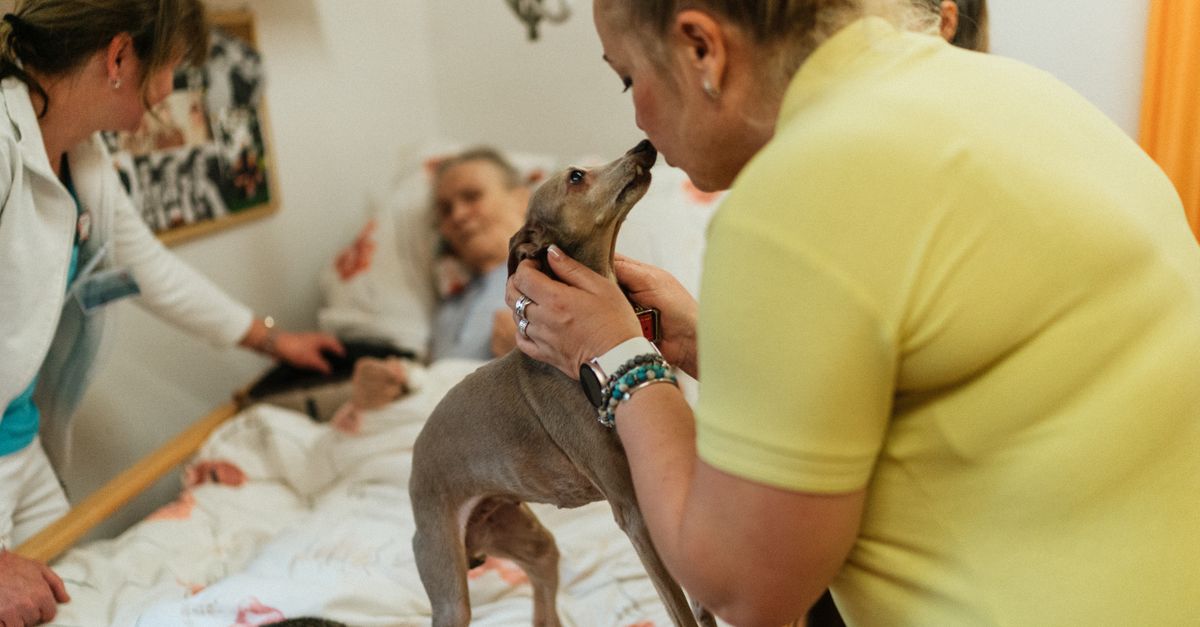
Picture this: you walk into a neighborhood vet clinic, the receptionist greets you by name, and the exam room smells faintly of lavender instead of antiseptic. That warm, local vibe isn’t just good for your pet’s morale - it can also shave a healthy chunk off your bill. As we roll into 2024, independent clinics are proving that personalized care and savvy budgeting can coexist, especially when owners get a little creative. Below are ten battle-tested tactics, each backed by a chorus of industry voices, to help you keep your furry (or feathered) friend healthy without draining your wallet.
Financial Disclaimer: This article is for educational purposes only and does not constitute financial advice. Consult a licensed financial advisor before making investment decisions.
1. Shop Local, Save Big: Choose Your Neighborhood Vet for Routine Care
Choosing a neighborhood veterinary clinic for your pet’s regular check-ups can shave up to 15% off the cost of routine services compared with national chains, according to a 2023 survey by the American Pet Owners Association. Independent vets typically have lower rent and fewer corporate overheads, allowing them to pass savings directly to clients. For example, Oakwood Animal Hospital in Boise reports that a standard wellness exam costs $55, whereas a comparable chain clinic charges $70.
Beyond price, local vets often build personal relationships with clients, which can translate into more attentive care and fewer surprise fees. When a pet owner knows the veterinarian by name, they’re more likely to discuss preventive measures early, reducing the need for expensive emergency interventions later on. Moreover, a study from the University of Georgia found that pet owners who stay with a single clinic have a 22% lower incidence of missed vaccinations.
"The trust you earn in a small town translates directly into better health outcomes," says Dr. Samantha Greene, owner of Greenfield Veterinary Group.
Key Takeaways
- Independent clinics can be up to 15% cheaper for routine care.
- Personal relationships foster preventive health, cutting long-term costs.
- Consistent patronage supports the local economy and keeps veterinary services affordable.
By funneling your pet’s regular needs to a local practice, you not only save money but also help maintain a competitive market that keeps larger chains honest about pricing.
Now that we’ve seen how proximity can trim the bill, let’s look at a strategy that bundles services for even deeper discounts.
2. Bundle Services: Create a Pet-Care Package with Your Vet
Many small-to-mid-size clinics offer bundled wellness packages that combine vaccinations, annual exams, and dental cleanings into a single, prepaid plan. In Portland, Paws & Claws Veterinary Center introduced a “Family Wellness Bundle” that reduced the total cost by 18% when owners committed to a three-year plan. The clinic reported a 30% increase in appointment regularity, which stabilizes cash flow and reduces the need for costly last-minute inventory purchases.
Negotiating such a package requires clear communication about the pet’s anticipated needs. Owners of multi-pet households can ask for a “multi-animal discount,” which some clinics extend up to 25% for three or more pets. The key is to lock in the price before seasonal price hikes, often triggered by supply chain spikes in pharmaceuticals. A 2022 report from the Veterinary Economic Review noted that bundled plans helped clinics maintain a 95% appointment fill rate even during peak flu season.
"When clients commit to a multi-year bundle, we can plan inventory months ahead and pass those savings back," notes Mark Davis, a pet-business consultant based in Seattle.
When both parties benefit - owners enjoy predictable budgeting, and clinics secure steady revenue - bundling becomes a win-win that protects the practice from market volatility.
Bundling is great, but what if a sudden surgery threatens to break the bank? A community safety net can make all the difference.
3. Join a Community Pet-Health Cooperative
Community pet-health cooperatives pool contributions from members to create a shared fund for high-cost procedures such as orthopedic surgery or oncology treatments. In Madison, the “Healthy Paws Cooperative” launched in 2021 with 150 members each contributing $120 annually. Within its first year, the fund covered $42,000 in specialty care, averting bankruptcies for families facing unexpected diagnoses.
Beyond financial cushioning, cooperatives foster a sense of collective responsibility. Members often volunteer at clinic events, providing free grooming or basic health screenings, which further reduces operating expenses. According to the Cooperative Business Association, pet-care co-ops experience a 12% higher client retention rate than traditional solo practices.
"Co-ops turn strangers into a support system that can mean the difference between life and loss," says Elena Ruiz, director of the Midwest Veterinary Cooperative Network.
Forming a cooperative requires transparent governance - regular meetings, audited accounts, and clear eligibility criteria for fund disbursement. When done right, the model not only eases individual financial strain but also strengthens the clinic’s ability to invest in advanced equipment without seeking external loans.
Financial safety nets are fantastic, yet many clinics still scramble with day-to-day operations. That’s where your own skill set can become a lifesaver.
4. Volunteer Your Skills - From Marketing to IT Support
Small veterinary practices often struggle with digital marketing, appointment software, or bookkeeping because hiring full-time staff is cost-prohibitive. A survey by VetTech Insights in 2022 revealed that 38% of independent clinics outsource only half of their administrative tasks, leading to inefficiencies. Pet owners with expertise in these areas can fill the gap.
For instance, a freelance graphic designer in Austin volunteered to revamp the clinic’s website, resulting in a 27% increase in online appointment bookings within three months. Similarly, a local IT consultant in Raleigh set up a cloud-based records system that cut record-retrieval time by 40%, allowing vets to see more patients each day.
"A few pro-bono hours from a tech-savvy pet lover can free up a vet’s schedule for what matters - care," advises Carla Mendes, founder of VetTech Volunteer Hub.
Pro-bono contributions should be formalized with a simple agreement outlining scope, timelines, and confidentiality. This protects both the volunteer and the clinic while ensuring the work aligns with the practice’s branding and regulatory standards.
With tech support covered, let’s talk about a fun, community-driven way to draw new faces into the clinic.
5. Sponsor a “Pet-Wellness Day” or Community Event
Sponsorship can come from local businesses, pet-food brands, or even neighborhood associations. By covering event costs - such as printed materials, portable exam tables, or a small advertising budget - the sponsor gains brand visibility while the clinic expands its client base. A 2021 case study from the Pet Care Marketing Association showed that clinics participating in community events saw a 15% higher average client lifetime value.
"Events turn a clinic into a community hub, and that goodwill translates into lasting revenue," notes Jamie Patel, senior strategist at PawPrint Marketing.
The key to success is clear promotion: social media posts, flyers at pet stores, and partnerships with local schools’ animal clubs. When the community perceives the event as a valuable resource, the clinic enjoys a lasting boost in reputation and revenue.
Events create buzz, but the most reliable way to keep costs low is to stay ahead of health scares altogether.
6. Opt for Preventive Care Plans Over Emergency Visits
Preventive care plans, which schedule regular check-ups, blood work, and dental cleanings, dramatically reduce emergency visits. The American Veterinary Medical Association reports that pets on a structured preventive plan are 35% less likely to require emergency care. For owners, this translates to predictable annual expenses rather than unpredictable, often sky-high emergency bills.
Clinics that emphasize prevention benefit from smoother scheduling and better resource allocation. A mid-size practice in Denver introduced a “PetShield” plan that bundled quarterly exams and bi-annual blood panels for $250 per pet per year. Within two years, the clinic’s emergency caseload dropped by 28%, freeing up operating rooms for elective procedures that generate higher margins.
"Preventive plans are the financial equivalent of a seatbelt - they keep you safe before the crash," says Dr. Luis Ortega, preventive-care specialist at Rocky Mountain Veterinary Center.
Encouraging owners to adopt these plans involves transparent communication about long-term savings and health outcomes. Visual tools - like a cost-comparison chart posted in the waiting area - help illustrate the financial advantage of staying proactive versus reacting to crises.
Prevention is priceless, yet legislation can further protect the ecosystem that makes affordable care possible.
7. Advocate for Local Pet-Care Legislation
Grassroots advocacy can secure municipal funding, zoning flexibility, and tax incentives that protect independent vets from corporate encroachment. In 2022, the City of Asheville passed a “Pet-Health Support Ordinance” after a coalition of owners, veterinarians, and animal-rights groups lobbied for a 2% sales-tax rebate for pet-care services. The measure resulted in a $150,000 annual infusion for local clinics, enabling them to lower fees by an average of 5%.
Effective advocacy starts with education. Organizers host town-hall meetings where veterinarians present data on how price hikes drive owners to distant chain hospitals, increasing traffic congestion and carbon footprints. By framing the issue as both an economic and environmental concern, advocates garner broader community support.
"When lawmakers see that a healthy local vet scene reduces road miles and keeps dollars in the neighborhood, they’re more likely to act," asserts Karen Liu, policy director at the Pet Policy Alliance.
Pet owners can sign petitions, contact city council members, and share personal stories of how a local clinic saved a beloved pet’s life. When legislators see the tangible impact, they’re more likely to allocate resources that keep independent practices viable.
Legislative wins are fantastic, but sometimes a clinic needs a quick infusion of cash to stay cutting-edge. Crowdfunding can fill that gap.
8. Leverage Crowdfunding for Clinic Upgrades
Crowdfunding platforms like GoFundMe and Kickstarter have become viable tools for community-driven financing. In 2023, a small clinic in Salt Lake City raised $42,000 to purchase an in-clinic digital radiography unit, surpassing its $35,000 goal within three weeks. Contributors received perks such as “VIP appointment slots” and branded merchandise, fostering loyalty.
Successful campaigns rely on compelling storytelling and transparent budgeting. The clinic posted a detailed expense breakdown, showing that 60% of funds would go toward the equipment, 20% to staff training, and 20% to marketing the new service. Post-upgrade, the clinic reported a 12% increase in revenue from diagnostic imaging, offsetting the initial investment within a year.
"A well-crafted campaign turns donors into ambassadors; they’re proud to say ‘I helped fund that X-ray,’" says Alex Monroe, crowdfunding strategist for veterinary startups.
While crowdfunding can democratize financing, it also requires diligent follow-through. Donors expect regular updates and proof of impact. Clinics that maintain open communication often see repeat contributions for future projects, creating a sustainable upgrade pipeline.
With new equipment in place, clinics can broaden their network of local partners for reciprocal benefits.
9. Partner with Local Businesses for Mutual Discounts
Reciprocal discount agreements create a web of local support. A veterinary clinic in Raleigh teamed up with a nearby pet-supply store and a dog-walking service. Clients who presented a receipt from any partner received a 10% discount at the other businesses. Within six months, the clinic’s client visits rose by 14%, while the pet store reported a 9% sales lift.
These partnerships can extend beyond pet-related services. A coffee shop near a clinic offered a “Vet’s Brew” discount to pet owners, driving foot traffic during slower morning hours. In exchange, the clinic displayed flyers for the café, generating a modest commission on each referred customer.
"Cross-promotion turns neighboring shops into a single, stronger brand experience," remarks Nina Patel, owner of Brew & Bark Café.
Formalizing the arrangement with a simple memorandum of understanding clarifies discount percentages, promotion channels, and duration. When each business benefits, the local ecosystem becomes more resilient to chain competition.
Discounts are great, yet the most powerful trust-builder remains honesty about costs.
10. Provide Transparent Pricing and Payment Plans
Transparency in pricing builds trust and reduces sticker-shock, encouraging owners to seek care promptly. A 2021 study by the Veterinary Consumer Advocacy Group found that clinics that posted detailed price lists online saw a 22% increase in scheduled appointments compared to those that only provided estimates in person.
Offering flexible payment plans - such as interest-free 3-month installments for surgeries - helps families manage cash flow without sacrificing care quality. In Chicago, a clinic introduced a “CareNow, PayLater” program, resulting in a 17% rise in high-value procedure uptake while maintaining a 98% repayment rate.
"Pet owners who understand the cost breakdown are 30% more likely to follow through with recommended preventive care," says Dr. Maya Patel, President of the Independent Veterinary Association.
Clear communication includes explaining what each line item covers, any potential add-ons, and the total out-of-pocket estimate before treatment begins. By demystifying costs, clinics reduce the likelihood of unpaid bills and foster long-term loyalty.