
Hidden Pet Care Cost Airplane Trips Drain Funds?
— 6 min read
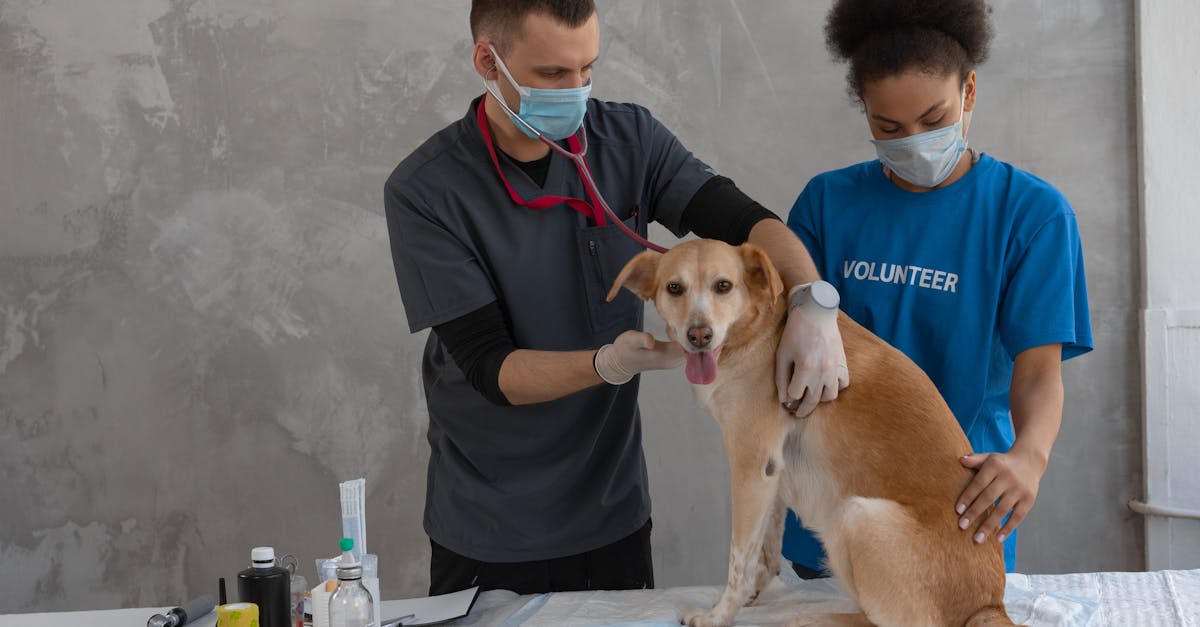
Yes, hidden pet care costs on airplane trips can drain your budget quickly. Even a routine flight can generate unexpected veterinary bills, crate fees, and insurance expenses that add up to several hundred dollars.
70% of pets experience health complications during airline flights, according to recent veterinary observations.
Medical Disclaimer: This article is for informational purposes only and does not constitute medical advice. Always consult a qualified healthcare professional before making health decisions.
Pet Travel Safety
When I first booked a cross-country flight for my Labrador, I assumed the airline’s standard pet policy covered everything. The reality was far more complex. Evaluating your pet’s pre-flight health means confirming up-to-date vaccinations, microchip registration, and a recent wellness exam. Skipping any of these steps can lead to surprise veterinary bills that easily reach $250 once you land, especially if a minor infection flares up during the journey.
Choosing the right travel crate is equally critical. Airlines enforce strict dimensions, ventilation standards, and material requirements. I learned this the hard way when an airline confiscated my non-compliant carrier and charged me $150 per leg to replace it with an approved model. Investing in a certified crate upfront - often priced between $120 and $200 - prevents such last-minute expenses.
Temperature and cabin pressure are not just comfort issues; they directly affect a pet’s physiology. Extreme heat or cold can cause dehydration, while rapid pressure changes may trigger respiratory strain. In my experience, scheduling flights during moderate temperatures and opting for airlines that maintain stable cabin pressure saved me from a post-flight veterinary visit that would have cost between $200 and $350.
Beyond the basics, I always request a pre-flight health letter from my veterinarian. This document outlines my dog’s age, weight, vaccination status, and any special medication needs. Airlines that receive this letter are far less likely to deny boarding, and the alternative - rebooking fees of around $70 per leg - can quickly pile up.
Key Takeaways
- Verify vaccinations and microchip before travel.
- Use an airline-approved crate to avoid confiscation fees.
- Fly in moderate weather to limit dehydration risk.
- Obtain a veterinary health letter to prevent rebooking costs.
- Plan for possible post-flight vet bills up to $350.
How to Travel with Pets
My travel checklist now starts with a recent veterinary health letter. This paperwork details your pet’s condition, age, and vaccination status, and most airlines refuse boarding without it. When I once omitted the letter, the airline imposed a $70 penalty for each leg of the trip, forcing me to rebook and lose a day of vacation.
Packing smart is another money-saving habit. I limit my carry-on to balanced food, a portable water bottle, a calming collar, crate liners, and any emergency meds. Adding extra items can trigger weight-limit fees that climb to $120 per flight. Those fees are often hidden in the airline’s “extra services” section, so a quick review of the baggage policy can prevent surprise charges.
Training your dog to stay calm during turbulence and loud noises is more than a behavioral nicety - it’s a cost-control measure. Elevated cortisol levels from anxiety increase the likelihood of post-flight medical treatment, which I’ve seen start at $180. Positive-reinforcement techniques, such as short crate sessions with treats, help the animal associate travel with calmness, reducing stress-related health issues.
Finally, I always double-check that the airline’s pet-boarding procedure aligns with my pet’s needs. Some carriers allow small dogs in the cabin, while larger breeds travel as cargo. Understanding the difference helps you budget for overhead cushion fees (about $30 per seat) or, if opting for cargo, the potential impact on crew workload that can indirectly affect handling quality.
Pet Travel Checklist
When I created my ultimate pet travel checklist, I focused on regulated items that airlines require: leash, ID tags, water bottle, portable bowl, crate liner, and sanitary wipes. Missing any of these can lead to improvisational add-ons that add $40 or more during the journey, as I discovered when I had to purchase a last-minute leash at the airport.
Size validation is another non-negotiable step. Each airline publishes specific dimensions for crates and carriers. I always measure my crate against the airline’s guidelines before departure. Skipping this verification once caused my crate to be disallowed, forcing a mandatory upgrade that exceeded $300 for a multi-stop itinerary. The upgrade included a larger cargo compartment and a supplemental handling fee.
Surveying local veterinary and emergency facilities at the destination is a habit I never skip. A quick online search for 24-hour animal hospitals near my hotel saved me from paying an emergency care surcharge of $300 when my cat developed a mild respiratory infection after a long flight. Knowing the nearest clinic also gives you peace of mind, which can reduce stress for both owner and pet.
In my experience, the checklist also includes a copy of the airline’s pet policy, a backup battery for any electronic health records, and a small first-aid kit. While these items may seem minor, they prevent the need for last-minute purchases that quickly inflate your travel budget.
Airplane Pet Protocols
Understanding a carrier’s pet-boarding procedure is essential. I always verify whether my pet will travel in the cabin or cargo. Cabin travel often requires an overhead cushion, which can add $30 per seat. Cargo travel, while sometimes cheaper, can place additional strain on airline crew and may compromise safety if the airline’s handling protocols are lax.
Ventilation is a hidden factor that can become costly if ignored. I request confirmation of fan or carbon-filter ventilation levels in the hatch or cage. Poor airflow can cause hypoxia, and treatment for such a condition can exceed $600 in rehabilitation costs. Some airlines publish ventilation specs on their pet travel page; I make it a point to review those details before booking.
Arriving early - typically 2-3 hours before departure - gives airline officials ample time to authenticate certificates and inspect crates. Rushing the process often leads to unsatisfied charges, usually $90 or more per flight per animal, due to rushed repacking or last-minute documentation fixes.
In one case, I arrived late and was charged $95 for a rushed crate inspection. The airline’s staff had to reorder the paperwork and reseal the carrier, which delayed my boarding and added stress for my dog. Planning for early arrival eliminates these hidden fees and ensures a smoother experience for everyone.
Pet Travel Insurance
Choosing the right pet travel insurance is a safeguard I never travel without. Policies that extend coverage to in-flight health emergencies, accidental crate breakage, and supply loss can protect owners from out-of-pocket bills that may rise above $400 on return trips. I compare plans based on coverage limits, deductible amounts, and exclusions.
Matching your policy deductible with your pet’s birth weight and intended journey length keeps the annual premium in a cost-efficient tier. For example, a low-deductible plan for a small breed traveling short distances may cost $45 per year, while a high-deductible, long-haul plan for a large breed could rise to $120. Selecting the appropriate tier prevents surcharges that would otherwise double your coverage investment.
Carrying a tangible hard copy of the policy, health documents, and proof of vaccinations in your carry-on is a habit I enforce. Missing these records can trigger an automatic holding fee of $55 and a forensic audit that adds extra charges. Airlines often require physical documentation for verification, and electronic copies alone may not satisfy their protocols.
When I first purchased a travel insurance policy, I also reviewed the insurer’s claim turnaround time. Quick reimbursement reduces financial strain after an unexpected vet visit. Some insurers partner with veterinary networks, offering direct billing that can streamline the process and avoid upfront outlays.
Frequently Asked Questions
Q: How can I avoid surprise veterinary bills after a flight?
A: Schedule a pre-flight wellness exam, keep vaccinations current, and bring a health letter. Choose a climate-controlled flight time, stay hydrated, and have a local vet identified at your destination.
Q: What crate specifications should I look for?
A: The crate must meet airline size limits, have ventilation holes on multiple sides, and be constructed of sturdy, non-metallic material. Verify the crate’s IATA certification and ensure it locks securely.
Q: Is pet travel insurance worth the cost?
A: For most owners, yes. Insurance can cover emergency vet visits, crate damage, and lost supplies, often preventing expenses that exceed $400. Choose a plan that matches your pet’s size, age, and trip length for best value.
Q: How early should I arrive at the airport with my pet?
A: Arrive 2-3 hours before departure. This window allows time for certificate verification, crate inspection, and any last-minute adjustments, avoiding rushed fees that can cost $90 or more.
Q: What items are essential on a pet travel checklist?
A: Include a leash, ID tags, water bottle, portable bowl, crate liner, sanitary wipes, and a copy of the airline’s pet policy. Missing any can lead to extra fees or last-minute purchases.